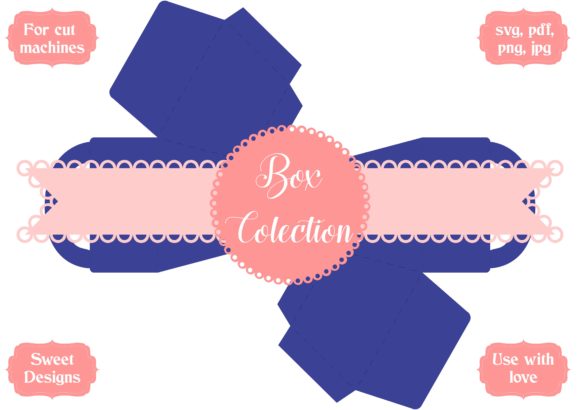
Angle Box 3D SVG Shapes Review
As a digital product creator who has spent years optimizing listings for Etsy and print-on-demand platforms, I approach every new asset with a mix of excitement and skepticism. You are looking for that specific "click" factor—the visual element that makes a customer stop scrolling and imagine the finished product on their wall, mug, or t-shirt. Recently, I tested a graphic design asset titled Angle Box. At first glance, it appears to be a simple geometric shape, but upon deeper inspection, its potential as a versatile component in larger commercial designs became clear.
This review is not just about aesthetics; it is about utility. For sellers of digital downloads, Cricut projects, and Canva templates, the question is never just "Is this pretty?" but rather "Does this sell?" Below, I break down how Angle Box fits into a real-world shop scenario, where it shines, and where you need to exercise caution before publishing your next listing.
First Impressions and Visual Personality
When I first imported the files into my design software, the immediate takeaway was the clean, modern aesthetic. The Angle Box is not merely a square; it utilizes perspective and depth to create a 3D SVG effect that feels premium without being overly complex. In the crowded world of creative marketplace assets, simplicity often wins because it allows the buyer’s own typography or illustrations to take center stage.
The mood of this asset is professional yet adaptable. It leans towards a minimalist, contemporary vibe, making it highly suitable for:
- Modern Home Decor: Perfect for nursery prints or abstract wall art where clean lines are preferred over cluttered patterns.
- Small Business Branding: It works exceptionally well as a frame for logos or business cards, offering a structured look that conveys trust and stability.
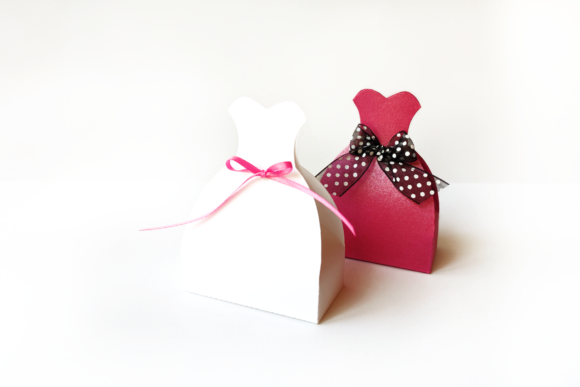
- Corporate Gifts: The geometric precision makes it ideal for packaging design elements or elegant invitation templates.
It does not feel "cute" or "rustic." If you are selling boho-style sticker designs or heavily textured handmade business products, this might not be the primary asset you reach for. However, for sellers targeting a sleek, urban, or corporate audience, Angle Box offers a sophisticated foundation.
Real-World Application: From Asset to Income
Let’s imagine you are preparing a new collection for your Etsy product shop. You want to launch a bundle of printable planners or a set of sublimation designs for tumblers. Here is how Angle Box can function as a workhorse in your workflow.
For printable wall art, this shape serves as an excellent framing device. By layering multiple angles or combining them with bold serif fonts, you can create high-perceived-value listings. Customers love items that look custom-made but are easy to download. Using Angle Box as a border or background element adds depth to a flat image, elevating the visual hierarchy of your design.
In the realm of sublimation design and mug design, the 3D aspect of the SVG provides a nice contrast to text-heavy quotes. Imagine a motivational quote inside an angled box on a coffee mug—it looks intentional and designed, rather than slapped-on. This distinction is crucial for brand identity and increasing the average order value of your shop.
Furthermore, if you create Canva templates for social media managers, Angle Box is invaluable. It can serve as a container for client testimonials or feature highlights. Its geometric nature ensures that the template remains organized and readable, which is a key selling point for B2B digital products.
Technical Compatibility and Workflow
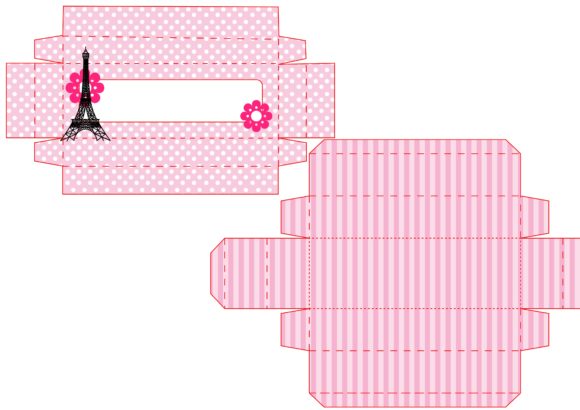
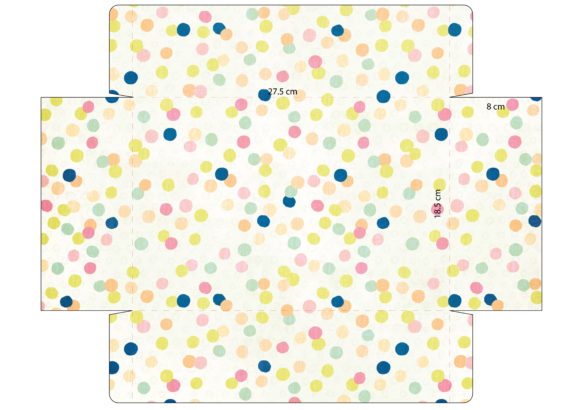
One of the most critical aspects of any SVG design is its compatibility. These files are designed to use in Silhouette Studio, Cricut Design Space, Sure Cuts a Lot SCAL and other popular cutting software that accept these files. Please make sure your cutting machine is compatible with the file format and that your software version supports layered vector paths.
For sellers using cutting machines, the clean lines of Angle Box mean fewer registration errors. Unlike intricate filigree designs that can tear or shift during the cut process, geometric shapes tend to perform reliably. This reliability reduces customer complaints and returns, which is vital for maintaining a healthy seller rating.
However, always verify the file structure. Open the SVG in your editor to ensure there are no unnecessary nodes or overlapping paths that could cause issues when scaling. A clean code base translates to a smoother user experience for your customers, whether they are printing at home or sending files to a professional printer.
Strategic Use Cases and Risks
While Angle Box is versatile, it is not a one-size-fits-all solution. To maximize its effectiveness, you must understand where it thrives and where it fails.
Where It Works Best
- Large Product Previews: On desktop marketplaces, large images allow the 3D effect to be appreciated. Use this in your main listing photo to grab attention.
- Themed Bundles: Combine it with complementary elements like thin lines, dots, or minimal icons to create cohesive design bundles.
- Digital Downloads: As part of a scrapbooking kit or digital paper pack, it adds structural variety to otherwise flat backgrounds.
Where to Exercise Caution
- Tiny Sticker Details: If you are designing very small die-cut stickers, the depth effects of a 3D SVG may become muddy or indistinguishable. Test at actual size before committing to a full batch.
- Low-Resolution Prints: Ensure your final output is high-resolution. A crisp vector input does not guarantee a crisp raster output if you downscale improperly.
- Crowded Thumbnails: On mobile devices, complex layers can blur together. Simplify the design for thumbnail previews by flattening layers or reducing contrast.
- Dark Backgrounds: Depending on the color palette, 3D shadows might disappear on dark themes. Always test on both white and dark backgrounds to ensure visibility.
Practical Seller Notes for Optimization
To truly leverage Angle Box for commercial success, follow these practical steps:
- Test on Real Mockups: Before publishing, place the design on realistic mockups of tote bags, notebooks, or mugs. This helps you gauge how the asset performs in a real-life context.
- Font Pairing: Experiment with different typefaces. Angle Box pairs well with modern sans-serif fonts for a tech-forward look, or elegant script fonts for a balanced contrast. Avoid overly decorative fonts that compete with the geometry.
- Check Transparency: Verify PNG transparency if you plan to offer raster versions. Jagged edges around the 3D corners can look unprofessional.
- Commercial Licensing: Confirm your commercial license terms. Most assets allow you to sell physical products made from the design, but reselling the raw SVG file itself is often prohibited. Understand the rules to protect your shop.
- Organize Files Clearly: When delivering to customers, include instructions on how to edit the layers. Clear documentation enhances customer trust and reduces support tickets.
In conclusion, Angle Box is a solid addition to any designer’s toolkit, particularly for those focused on modern, clean, and professional aesthetics. It is not a flashy, trend-driven piece that will dominate for a week and then fade; instead, it is a timeless structural element that can support long-term product development. By testing it across various mediums—from social media graphics to physical merchandise—you can determine its true value to your specific niche. For sellers aiming to build a reputable, high-quality brand, Angle Box offers the versatility and polish needed to stand out in a competitive digital landscape.