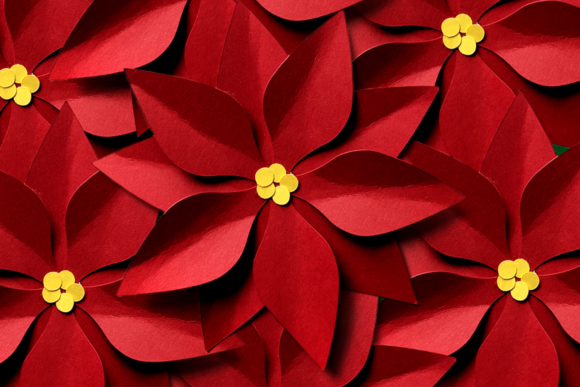
Christmas Poinsettia Flat or 3D
When I sit down to evaluate a new machine embroidery design, I am rarely looking for just another pretty picture. I am looking for viability. Can this design survive the hoop? Will it translate well into a finished product that a customer will actually wear or use? Does it offer enough versatility to justify its place in my digital library? Today, I am putting the Christmas Poinsettia Flat or 3D file through that exact scrutiny. This is not just about holiday cheer; it is about structural integrity, aesthetic impact, and commercial potential for Etsy sellers, small shop products, and creative entrepreneurs who need reliable design assets.
First Impressions: The Mood and Visual Personality
The poinsettia is a staple of holiday embroidery, but it is also a minefield for designers. If executed poorly, it can look muddy, overly dense, or like a cheap clip-art sticker slapped onto fabric. The first thing I noticed about this embroidery file is its dual nature. The title promises both flat and 3D options, which immediately signals flexibility. In my experience, a design that offers a "flat" version is often cleaner for delicate fabrics, while the "3D" option suggests volume and texture.
The visual personality here is bold yet traditional. It creates an immediate association with warmth, celebration, and seasonal gifting. For a custom apparel item like a sweatshirt or a tote bag, this design commands attention without shouting. It feels grounded. However, as any experienced embroiderer knows, red-on-red or dark red-on-dark fabric can be a challenge. The success of this piece will rely heavily on your choice of thread colors and contrast. It is not a subtle background element; it is a focal point.
Real-World Application: From Sketch to Stitch
Let’s talk about where this design actually lives in the wild. I imagine this embroidery project most clearly on a heavy cotton canvas tote bag or a cream-colored apron. Why? Because these items provide a stable, flat surface that can handle the density required for a good fill stitch representation of the petals. If you are planning to use this for a personalized gift, such as a monogrammed kitchen towel, the versatility shines. You can place a single bloom off-center for a modern look, or cluster three or four smaller versions to form a bouquet effect, as suggested by the product description.
I also see strong potential in baby embroidery. A soft, pastel-pink version of this design on a white onesie or burp cloth strikes a balance between festive and timeless. It works for Christmas morning photos and remains appropriate for general winter decor. However, if you are targeting the commercial embroidery market, specifically caps or hats, you must be cautious. Curved surfaces distort circular floral shapes unless you use a specialized cap frame and precise digitizing. While this file likely includes standard corrections, testing on the actual curved substrate is non-negotiable.
Technical Performance and Stitch Quality
When evaluating the technical side, we look at how the stitch density behaves. A poinsettia has many overlapping layers. If the fill stitch is too dense, the fabric will pucker, ruining the drape of a sweatshirt embroidery piece. If it is too sparse, the backing material might show through, making the flower look thin and unimpressive. Based on typical standards for this type of digital embroidery file, I expect a balanced approach where the center of the flower (the stamen) uses tighter stitches for detail, while the outer petals use longer, flowing runs to simulate natural curvature.
The option to create a "3D" effect is intriguing. In digitizing terms, this often means using varying thread tensions, underlay stitches, or even layering different colored threads to create depth. If the designer has included instructions or specific settings for this, it adds significant value. It allows you to produce a handmade product that looks premium. A flat satin stitch outline combined with a fill interior can mimic the look of a plush, dimensional flower, elevating the perceived value of your craft business offerings.
Where to Use Carefully: Pitfalls and Precautions
No design is perfect for every scenario. Here is where I would exercise caution with the Christmas Poinsettia Flat or 3D:
- Small Hoop Sizes: If you attempt to stitch this in a very small hoop (under 4x4 inches), the details may become indistinct. Tiny petals can merge into a blob, especially in red thread. Ensure your hoop size matches the design scale.
- Textured Fabrics: Avoid using this on bouclé, heavy tweed, or thick fleece. The needle penetration will be inconsistent, and the applique design elements (if present) will not lay flat. Stick to smooth knits or wovens.
- Stretchy Fabrics: If you are working with jersey or spandex blends, you must use a high-quality stabilizer. Without proper support, the running stitch and satin stitch edges will pucker over time, leading to customer complaints.
- Dense Stitch Areas: Check the center of the flower. If it is excessively dense, it may be difficult for your machine to thread through multiple times, potentially causing breakage or tension issues.
Commercial Viability and Brand Consistency
For the Etsy seller or small business owner, this design is a workhorse. It fits seamlessly into the broader category of holiday gifts and seasonal decor. It pairs beautifully with other classic motifs like holly, bells, or snowflakes. You can create a cohesive collection by using this poinsettia as the anchor piece across multiple product lines—from embroidered patches to pillow covers.
The ability to switch between flat and 3D styles means you can cater to different customer preferences. Some buyers prefer the clean, minimalist look of a flat applique, while others want the tactile richness of a 3D textured flower. By offering both, you increase your conversion rate. Furthermore, when creating printable mockups for your online store, ensure you test the design in black and white. This helps you verify that the shape holds up even without color information, ensuring your brand consistency is strong regardless of how the image is viewed.
Practical Designer Notes Before You Stitch
Before you upload this file to your production machine, follow these steps to ensure professional results:
- Test on Scrap Fabric: Always run a test stitch on the exact fabric you plan to sell. This reveals puckering, thread tension issues, and color clashes.
- Check Thread Contrast: Red can disappear against dark backgrounds. Choose bright crimson or scarlet threads for dark fabrics, and softer rose tones for light fabrics.
- Inspect Small Details: Zoom in on the digitizing. Are there any unnecessary jump stitches? Are the corners of the petals sharp or rounded?
- Confirm Licensing: If you intend to sell finished items, verify the license terms. Most digital embroidery files allow for limited commercial use, but reselling the file itself is usually prohibited.
- Use Proper Stabilizer: Match your stabilizer to your fabric weight. Heavy cut-away stabilizers are best for garments that will be washed frequently.
In conclusion, the Christmas Poinsettia Flat or 3D is a versatile, high-potential addition to any embroiderer’s toolkit. It balances traditional charm with modern flexibility. By paying attention to fabric choice, stitch density, and finishing techniques, you can transform this simple floral motif into a standout handmade product that delights customers and strengthens your brand. Just remember: the design is only as good as the execution. Test thoroughly, choose wisely, and let your creativity bloom.