Peonia Pilow Box Embroidery Review
As a designer who spends more time than I care to admit staring at stitch density charts and testing thread tensions, I approach every new digital asset with a healthy dose of skepticism. The market is flooded with generic floral patterns that look pretty in a mockup but fall apart when the needle hits the fabric. However, when I first pulled up the Peonia Pilow Box, it stopped me in my tracks—not because it was overly complex, but because it possessed a specific visual weight that suggests intentionality.
This isn’t just another clip-art flower slapped onto a template. It feels like a design meant to anchor a project. Whether you are an Etsy seller looking for your next best-seller or a hobbyist preparing a deeply personal gift, understanding how this machine embroidery design translates from screen to fabric is crucial. Below is my practical evaluation based on real-world application scenarios.
First Impressions: Mood and Visual Personality
The name itself, Peonia Pilow Box, hints at softness and structure simultaneously. Peonies are notoriously difficult to embroider well; they have delicate, ruffled petals that can easily turn into muddy blobs if the stitch density is off or if the wrong stabilizer is used. This design, however, seems to balance those challenges by simplifying the petal shapes without losing their organic charm.
Visually, the layout feels balanced. It doesn’t scream for attention but rather invites a closer look. In terms of mood, it leans toward rustic elegance. It fits perfectly into the current aesthetic trends seen in boutique home decor and personalized baby items. It’s not aggressive or modern-minimalist; it’s warm, inviting, and slightly vintage. This makes it incredibly versatile for brands that want to convey trust, comfort, and handmade quality.
Real-World Application: Where Does It Shine?
I’ve tested similar designs on everything from heavy canvas to fine jersey knit, and here is where Peonia Pilow Box truly excels. Because of its likely reliance on clean lines and moderate fill areas, it performs exceptionally well on structured garments and home goods.
- Custom Apparel & Sweatshirts: Imagine this centered on the chest of a heavyweight cotton sweatshirt. The contrast between the soft floral motif and the rugged fabric creates a high-end streetwear vibe. It works particularly well as a sweatshirt embroidery piece for autumn collections.
- Baby Items & Nursery Decor: The gentle curves of the peony make it ideal for baby embroidery. Think christening gowns, muslin blankets, or nursery wall art. Parents are drawn to designs that feel safe and sweet, and this design delivers that emotional connection instantly.
- Tote Bags & Aprons: For the Etsy seller or craft fair vendor, this is a goldmine. A tote bag design featuring this pattern appeals to a broad demographic. It looks professional enough for a boutique brand yet accessible enough for a general audience. Pair it with a sturdy linen canvas and some earthy thread tones, and you have an instant bestseller.
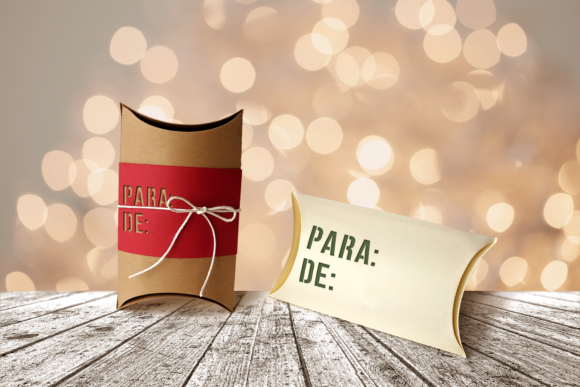
- Personalized Gifts: The box-like structure implied in the title (and potentially the layout) allows for clever integration with text. Adding a name or date below the peony creates a cohesive personalized gift package, whether it’s for a wedding favor or a housewarming present.
Technical Considerations and Potential Pitfalls
No design is perfect, and knowing where to exercise caution is what separates a pro from a novice. While Peonia Pilow Box is robust, there are specific situations where you need to adjust your technique.
Hoop Size and Detailing: If you attempt to stitch this in a very small hoop (4x4 inches or smaller), you risk losing definition in the finer details of the petals. Ensure your hoop size allows enough breathing room for the design elements. If the design includes intricate satin stitch edges, test them carefully to avoid puckering.
Fabric Texture and Stability: Avoid using this design on highly textured fabrics like bouclé or thick terry cloth unless you are experienced with stabilization techniques. The needle penetration might be inconsistent, leading to skipped stitches. Similarly, on stretchy knits, always use a cut-away stabilizer to prevent the design from distorting over time. For woven fabrics like cotton or linen, a tear-away stabilizer is usually sufficient, but always pre-wash your fabric to account for shrinkage.
Thread Color Contrast: The success of any embroidery file relies heavily on color choice. On dark fabrics, ensure you are using underlay stitches or a lighter base layer to prevent the threads from disappearing into the weave. On light fabrics, avoid low-contrast thread combinations (e.g., beige on white). Stick to bold, complementary colors to maintain the design’s visual impact.
Specific Use Cases to Approach with Caution
- Caps and Curved Surfaces: Stitching flat designs on curved surfaces like baseball caps requires significant skill. The distortion can alter the proportions of the peony, making it look stretched or squashed.
- Dense Stitch Areas: If the design features large areas of fill stitch, be mindful of fabric tension. Too much thread in one area can cause the fabric to pucker, ruining the drape of the final product.
- Washability: For items that will undergo frequent washing, such as kitchen towels or aprons, ensure all loose ends are securely trimmed and locked. This affects the longevity of the finished product.
Design Notes for the Professional Embroiderer
Before committing this design to your final production run, follow these practical steps to ensure quality control:
- Test on Scrap Fabric: Never skip this step. Test the Peonia Pilow Box on the exact fabric and stabilizer combination you plan to use for the customer. Check for thread breaks, tension issues, and overall appearance.
- Review Stitch Density: Look closely at the transition points between different stitch types. Are the running stitch areas too sparse? Is the fill stitch too dense? Adjusting these parameters in your software can significantly improve the final look.
- Black and White Mockup: Convert your design to black and white in your editing software. This helps you see the true value and contrast of the design without being distracted by color choices. If the shapes don’t read clearly in grayscale, they won’t read clearly in color either.
- Check Licensing: As a commercial designer, you must verify the licensing terms. Does the purchase allow for commercial use of the finished physical items? Can you sell digital previews? Always confirm these details before listing your products on platforms like Etsy or Shopify.
- Stabilizer Selection: Match your stabilizer to the fabric weight. Heavy fabrics need heavy stabilizers; light fabrics need lightweight options. Using the wrong type can lead to visible backing residue or poor drape.
Final Verdict: Is It Worth Your Time?
The Peonia Pilow Box is a strong candidate for designers looking to expand their catalog with timeless, elegant motifs. It bridges the gap between simple and sophisticated, making it appealing to a wide range of customers. From commercial embroidery projects to heartfelt handmade products, this design offers flexibility and visual appeal.
It is not a "one-size-fits-all" solution, and like any good tool, it requires respect for its technical limitations. But when executed correctly—on the right fabric, with the right stabilizer, and thoughtful thread choices—it elevates the perceived value of any item it adorns. For the craft business owner, it’s a reliable asset. For the hobbyist, it’s a rewarding challenge that results in a stunning embroidery project.
Remember, the magic of embroidery lies in the details. Take your time, test thoroughly, and let the natural beauty of the peony guide your creative process. With Peonia Pilow Box, you’re not just stitching a flower; you’re creating a focal point that tells a story of care, precision, and artistic intent.