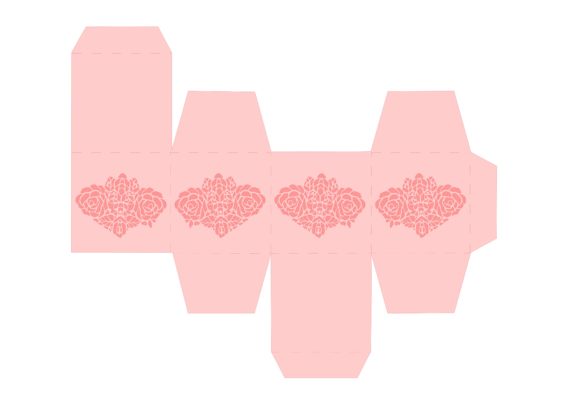
Rose Box 3D SVG Shapes Review
In the fast-paced world of content marketing and brand design, visual assets are not just decorative elements; they are strategic tools that dictate how an audience perceives your message. As a brand designer who has spent years refining visual identities for small businesses and digital creators, I approach every new graphic design asset with a critical eye. Does it elevate the brand? Does it communicate clearly? And most importantly, does it fit seamlessly into a professional workflow?
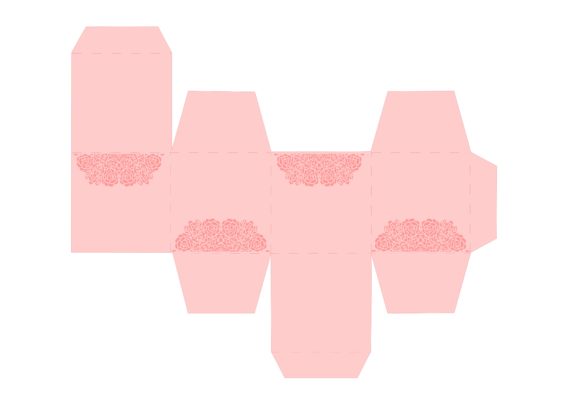
Recently, I evaluated a design file titled "Rose Box," categorized under Shapes and delivered as a 3D SVG. At first glance, it appeared to be a simple geometric illustration. However, upon deeper inspection of its potential application in real-world marketing campaigns, I found it to be a versatile component capable of enhancing everything from social media graphics to packaging design. This review explores how this asset can support your brand identity, improve visual hierarchy, and ultimately build stronger audience trust.
The First Impression: Mood and Emotional Tone
When you first load the Rose Box into your design software, the immediate takeaway is its clean, structured aesthetic. The 3D SVG format provides depth without clutter, creating a sense of premium quality that resonates well with lifestyle brands, handmade product sellers, and boutique service providers. Unlike flat clipart, which can sometimes feel dated or overly simplistic, the subtle shading and perspective in this shape give it a modern, tactile feel.
The emotional tone is warm yet sophisticated. Roses universally symbolize love, care, and appreciation, while the box structure suggests organization, gift-giving, and value. This combination makes the asset highly suitable for campaigns centered around self-care, romantic occasions, or thoughtful customer gestures. It avoids looking messy or unprofessional because the lines are crisp and the geometry is balanced. For marketers aiming to create visuals that attract attention without shouting, this asset strikes the right balance between elegance and accessibility.
Real-World Application: A Product Launch Scenario
To understand the true value of this design, let’s imagine a practical scenario. Suppose you are a small business owner launching a new line of organic skincare products. You need to refresh your social media visuals, create Pinterest pins, and design packaging inserts that convey luxury and natural ingredients. This is where the Rose Box shines.
You can use the Rose Box as a central element in your hero graphics for the product launch. Because it is provided in JPG, SVG, and PDF formats, you have flexibility across different platforms. You might place the SVG version on your website headers for scalability, use the high-resolution JPG for Instagram posts, and utilize the PDF for print-ready packaging labels. The ability to make as many physical products as you want means you can consistently apply this visual motif across all touchpoints, from digital ads to physical boxes, ensuring a cohesive small business branding strategy.
Enhancing Visual Hierarchy and Brand Consistency
One of the biggest challenges in content marketing is maintaining visual consistency while keeping designs fresh. The Rose Box serves as an excellent anchor for visual hierarchy. Its distinct shape draws the eye, allowing you to position key messages—such as "Encourage messages to change lives" or "Show your love"—in close proximity without competing for attention. By using the box as a container or backdrop for text, you create a clear focal point that guides the viewer’s gaze naturally through your campaign materials.
This asset supports stronger recognition by becoming a recurring visual motif. If you use the Rose Box in your email banners, lead magnets, and media kits, your audience will begin to associate that specific shape and style with your brand. Over time, this repetition builds audience trust and professionalism. It transforms scattered marketing efforts into a unified narrative, making your brand appear more established and reliable.
Versatility Across Marketing Channels
The utility of the Rose Box extends far beyond a single use case. Here is how it performs across various marketing channels:
- Social Media Graphics: Use it as a background element for Instagram quotes or Facebook ads. Its 3D effect adds depth that stands out in crowded feeds.
- Packaging Design: Incorporate it into product labels or box designs to add a premium touch. The vector nature of the SVG ensures it prints sharply at any size.
- Digital Ads: In digital ads, quick visual comprehension is key. The Rose Box communicates "gift" or "value" instantly, improving click-through rates for promotional offers.
- Editorial Design: For bloggers and publishers, it works well in editorial layouts as a decorative accent that breaks up text-heavy pages without overwhelming the content.
- Merchandise: Print it on stickers, tote bags, or posters to create merchandise that aligns with your brand’s aesthetic.
Additionally, if you create Canva templates for your clients or followers, including the Rose Box as a draggable element adds significant value. It allows users to easily incorporate professional-grade marketing visuals into their own projects, positioning you as an expert in design assets.
Strategic Limitations and Careful Usage
While the Rose Box is versatile, no single asset fits every context. There are specific scenarios where you should exercise caution. For formal corporate branding, especially in industries like finance or legal services, the rose motif may feel too informal or decorative. Similarly, in dense information layouts or data-heavy infographics, the 3D shape could distract from the core message.
Be mindful of mobile screens. While the SVG scales well, ensure that when used in small sizes, the details remain visible and do not become muddy. Also, avoid placing the asset on low-contrast backgrounds where the shading might disappear, reducing its impact. If your brand relies on extreme minimalism, consider simplifying the asset or using it sparingly so it does not compete with the main message.
Practical Designer Notes for Implementation
To get the most out of this creative design, follow these best practices:
- Test Color Palettes: Apply your brand colors to the Rose Box to see how it interacts with your existing identity. Does it complement your primary hues, or does it clash?
- Check Black and White: Preview the asset in monochrome to ensure the 3D effect holds up without color cues.
- Font Pairing: Experiment with typography. The Rose Box pairs well with serif fonts for a classic look, sans-serif fonts for a modern feel, and script fonts for a personal touch. Avoid handwritten fonts that might compete with the geometric precision of the box.
- Mockup Testing: Place the design inside real campaign mockups. See how it looks on a phone screen versus a desktop header. Adjust spacing and balance until it feels harmonious.
- Licensing Verification: Before using this asset in paid campaigns or client work, confirm the commercial license. Ensure you have the right to use it for commercial design purposes to avoid legal issues.
In conclusion, the Rose Box 3D SVG is more than just a shape; it is a tool for emotional connection and professional presentation. By integrating it thoughtfully into your brand identity, you can create memorable campaign visuals that resonate with your audience. Whether you are designing packaging design elements, web design accents, or social media graphics, this asset offers the flexibility and quality needed to elevate your professional branding efforts. Embrace its potential to show your love and encourage messages that truly change lives.