3D Multilayer Mandala: A Versatile SVG Shape for Creative Projects
As a professional graphic designer with years of experience working on branding, packaging, and print-on-demand projects, I recently came across the 3D Multilayer Mandala design asset. My first impression was one of intrigue—its layered structure and intricate geometric patterns immediately caught my eye. It’s clear that this 3D SVG shape is not just another decorative element; it brings depth, texture, and visual interest to any creative project. Let’s dive into how it performed in real-world scenarios and what designers need to consider before using it professionally.
Aesthetic Appeal and Style Fit
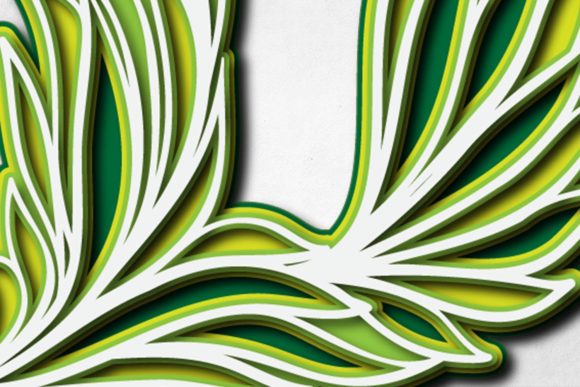
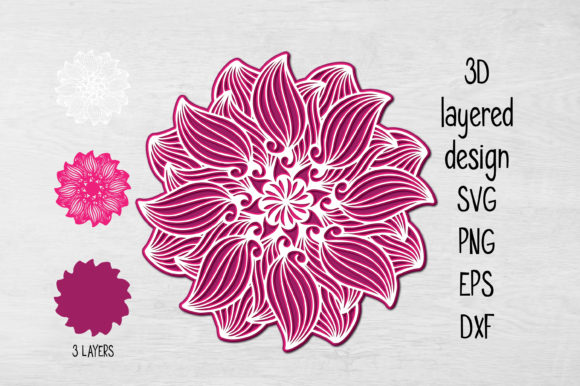
The 3D Multilayer Mandala exudes a sense of mindfulness and artistic harmony. Its complex yet symmetrical layers suggest a spiritual or bohemian vibe, which makes it ideal for clients in wellness, yoga, meditation, or lifestyle niches. The design has a strong presence due to its three-dimensional feel, but it also maintains a softness that doesn’t overwhelm the viewer.
I found myself thinking about how this mandala could support a brand identity for a handmade business selling artisanal candles or crystal-infused bath salts. The mandala adds a touch of authenticity and creativity that aligns well with brands focused on natural, holistic, or craft-based products.
Brand Identity & Logo Design
Incorporating the 3D Multilayer Mandala as part of a logo concept can be powerful—if done thoughtfully. I tested it alongside script fonts and display typefaces, and it worked particularly well when paired with a minimalist serif font to balance the complexity. However, for more traditional or corporate logos, it might clash unless simplified or used subtly as a background accent.
Product Labels and Packaging Design
This mandala design is a great candidate for product labels, especially if the client wants to emphasize craftsmanship or a personal touch. Used as a border or centered within a label, it elevates the perceived value of the product. For packaging, it shines on larger surfaces like gift boxes or wall decor displays where detail matters. But in small sizes, such as on bottle labels, the layering becomes less effective and may lose clarity.
Social Media Graphics and Digital Ads
On social media platforms like Instagram and Pinterest, the mandala stands out as a hero graphic. When placed over a solid color or gradient background, it creates an inviting focal point. I noticed it works best in full-bleed layouts or as part of a themed collection post. In digital ads, however, I’d use it cautiously. The high detail might distract from key messaging unless it’s cropped tightly or used in a supporting role.
Printable Wall Art and Decor
One of the strongest applications for the 3D Multilayer Mandala is in printable wall art. Whether it’s a standalone piece or part of a larger design bundle, it adds a rich, textured look that feels both modern and timeless. I tested it at various resolutions and found that the SVG format retained sharpness even at large sizes, making it suitable for commercial printing or home decor sales.
Cricut Projects and Merchandise
For Cricut users or those designing stickers, tote bags, or t-shirt prints, this mandala offers a unique edge. The multilayer structure allows for different levels of cut or embossing, depending on the material. On fabric, I recommend using only select layers to avoid overwhelming the design. As a sublimation design for mugs or phone cases, it looks stunning when printed in metallic ink or paired with a pastel palette.
Editorial and Web Design
In editorial layouts, the mandala can serve as a decorative separator or headline accent. I experimented placing it behind blog titles and saw it enhance the emotional appeal without breaking visual hierarchy. In web design, it’s perfect for landing page headers or section dividers, especially in lifestyle blogs or portfolio sites with a soft, organic tone.
Where This Asset Works Best
- Large layout areas: The intricate details of the mandala are best appreciated when given ample space.
- Hero graphics: Ideal for Instagram posts, Pinterest pins, or Canva templates needing a bold visual statement.
- Decorative accents: Use it to add subtle texture in corners or backgrounds without competing with primary content.
- Themed collections: Perfect for cohesive product lines in a creative marketplace or seasonal campaigns.
- Print mockups: Especially effective on product mockups for Etsy shops or print-on-demand services aiming for a handcrafted look.
- Supporting brand elements: Can work as a pattern base, watermark, or background overlay for newsletters and promotional emails.
Where to Use It Carefully
- Small sizes: The fine lines and layers become less legible and visually busy when scaled down.
- Crowded layouts: Avoid using it in designs with too much text or other heavy visuals—it can reduce readability.
- Complex backgrounds: If your design already includes gradients or images, the mandala may get lost or create unwanted noise.
- Low-contrast designs: Test it with black-and-white variations to ensure it still holds form and function.
- Minimalist branding: May not suit brands that prioritize clean, no-fuss aesthetics unless used very sparingly.
- Corporate materials: Stick to simpler versions or avoid altogether for reports, presentations, or formal proposals.
Impact on Readability and Brand Consistency
When using the 3D Multilayer Mandala, readability should always come first. I’ve seen many designers fall into the trap of letting design assets overshadow the message. While the mandala enhances the mood, it needs to be positioned so it supports—not distracts from—the main content.
Visually, it contributes to brand consistency by reinforcing themes of creativity, spirituality, or mindfulness. It helps establish a recognizable aesthetic across multiple touchpoints, including packaging, social media, and website banners. However, if the brand voice is more serious or technical, this mandala might not align with the desired image.
Design Considerations for Commercial Use
Before integrating the 3D Multilayer Mandala into a client project, there are several practical checks every designer should perform:
- Test in black and white: Confirm that the design remains visually engaging without color.
- Check contrast: Ensure it stands out clearly against both light and dark backgrounds.
- Preview at varying sizes: From mobile app icons to poster dimensions, test scalability.
- Place on real mockups: Try it on product mockups to see how it translates in physical form.
- Test print quality: Especially important for print-on-demand sellers who rely on crisp output.
- Review file formats: Make sure the 3D SVG and PNG files (if included) are properly layered and editable.
- Inspect transparency: If using PNGs, check if the edges are clean and the transparency is consistent.
- Compare with fonts: Test it with serif, sans-serif, script, handwritten, and display fonts to find the right pairing.
- Confirm commercial licensing: Always verify usage rights before applying it to client projects or digital storefronts.
Why It's a Valuable Graphic Design Asset
Despite its limitations in certain contexts, the 3D Multilayer Mandala is a standout asset for specific types of creative design. Its ability to add dimensionality and a handcrafted feel is rare among standard clipart or illustration libraries. For digital sellers, bloggers, or content creators looking to elevate their visual storytelling, it provides a unique opportunity to differentiate their work in a crowded market.
It’s also highly adaptable. You can use all layers for maximum impact or isolate a few to maintain simplicity. This flexibility makes it a useful component in a broader design system, especially for boutique brands or Etsy shops aiming to build a cohesive visual language.
Final Thoughts for Designers and Creators
The 3D Multilayer Mandala is a compelling addition to your toolkit of design assets, especially if you’re working on a project that benefits from organic shapes, spiritual motifs, or intricate visual layers. It’s not a one-size-fits-all solution, but when applied correctly, it can significantly improve the emotional appeal and overall polish of a design.
If you're considering using it in a professional context, take the time to evaluate how it interacts with your existing design elements. Does it enhance the visual trust factor? Does it help communicate the brand’s values through imagery? These are essential questions to ask before finalizing a design direction.
Ultimately, the 3D Multilayer Mandala is a versatile 3D SVG shape that can enrich your creative ideas and bring a fresh perspective to home decor, wall art, or branded merchandise. Just remember to use it wisely and keep the user experience in mind—especially when balancing style with clarity in your marketing visuals or digital product listings.